Deep inside the Saint Paul Mountain Range on the island of Palawan, a river has carved its way through the earth for millions of years, creating one of the most spectacular cave systems on the planet. Long before the world knew its name, this subterranean marvel sheltered life, inspired legend, and waited patiently for history to catch up.
The Puerto Princesa Underground River's story begins approximately 30 million years ago, during the Oligocene epoch, when the limestone karst formations that define the Saint Paul Mountain Range were first laid down beneath a shallow tropical sea. Over eons, slightly acidic rainwater percolated through cracks in the calcium carbonate bedrock, slowly dissolving rock and sculpting vast caverns, towering chambers, and intricate passageways. The result is a cave system stretching approximately 24 kilometres in total length, with the main navigable river passage running roughly 8.2 kilometres from the inland entrance to the sea — making it one of the longest navigable underground rivers on Earth.
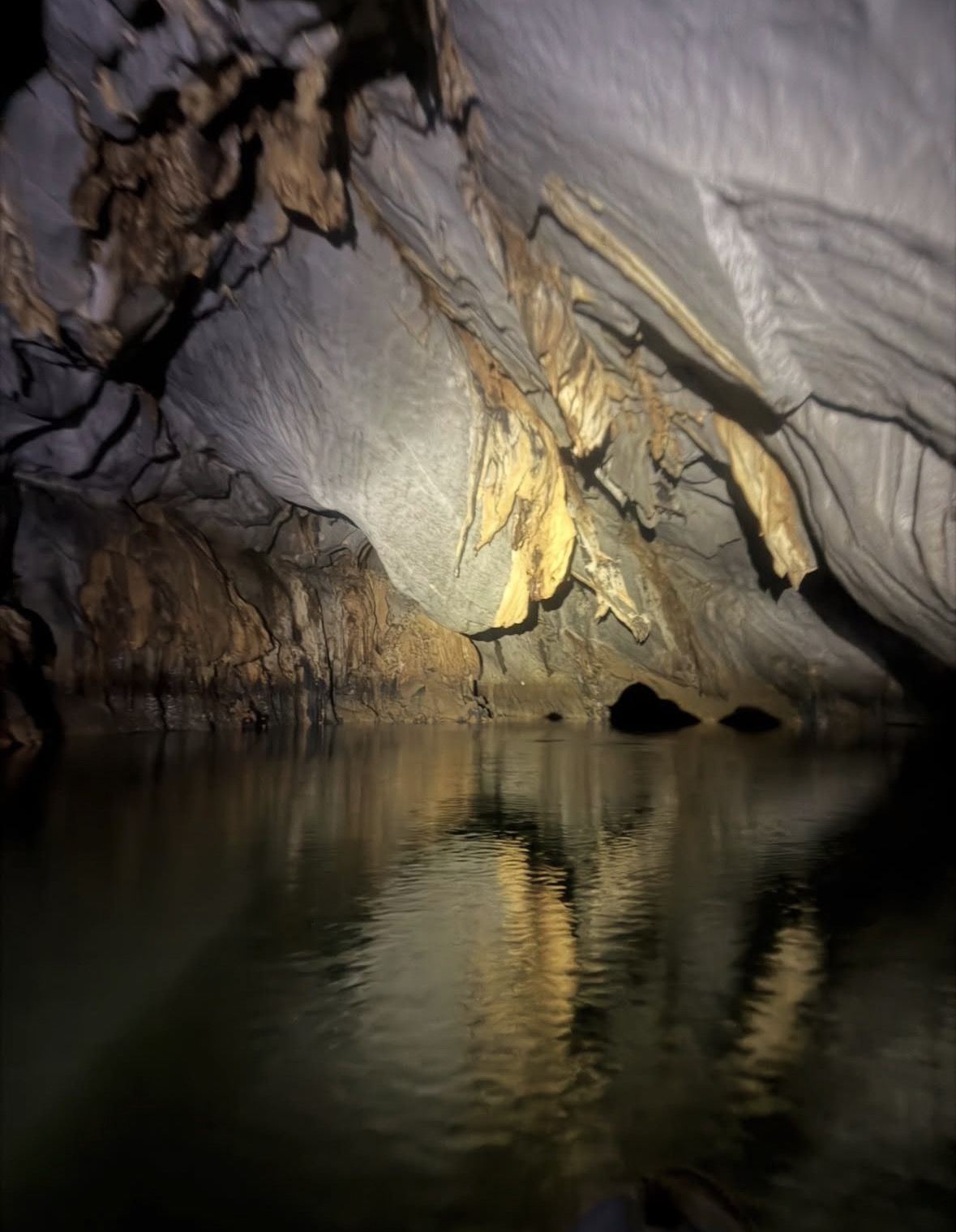
The geological forces that shaped the cave were far from gentle. Tectonic uplift gradually raised the limestone plateau, while the river continued to carve downward, creating multiple levels of chambers stacked upon one another. The famous Cathedral Chamber, soaring to a height of roughly 60 metres, testifies to the colossal scale of this ancient process. Stalactites and stalagmites that took hundreds of thousands of years to form now line the cave walls and ceilings, some fused into towering columns. The river itself flows directly into the South China Sea through a dramatic coastal opening framed by lush tropical forest, a meeting of underground and ocean worlds found almost nowhere else.
Long before colonial explorers arrived in the Philippines, the indigenous Batak and Tagbanua peoples of Palawan regarded the underground river and its surrounding landscape as sacred ground. These communities, among the oldest indigenous groups in the Philippine archipelago, lived in close harmony with the Saint Paul Mountain Range's forests, relying on them for food, medicine, and spiritual sustenance. The cave entrance was considered a threshold between the living world and the spirit realm, and local oral traditions warned against entering without proper ceremony or respect for the spirits believed to dwell within its darkness. This reverence helped preserve the ecosystem for generations before formal conservation existed.
Spanish colonial records from the 17th and 18th centuries make occasional reference to extraordinary cave formations along Palawan's coastline, though the underground river itself was not systematically documented by outsiders until much later. The Tagbanua, in particular, maintained stewardship of the surrounding forests and coastal waters through their ancestral domain claims, a relationship the Philippine government would eventually recognize formally. Their traditional ecological knowledge — understanding of seasonal water flows, wildlife habitats, and sustainable harvesting — proved invaluable when modern conservationists began studying the site. Today, some Tagbanua community members work as guides and park staff, maintaining a living connection to their ancestral landscape.
The biodiversity supported by the cave and its surrounding Saint Paul Mountain Range is as remarkable as the geology itself. The cave harbours eight distinct bat species, including massive colonies of Monophyllus bats, whose nightly exodus in search of food is one of the site's most dramatic natural spectacles. The guano deposited by millions of bats over centuries has created a rich underground food chain supporting cave crickets, spiders, and rare cave-adapted fish. The surrounding 22,202-hectare national park protects one of Asia's most intact lowland forest ecosystems, home to Palawan peacock-pheasants, monitor lizards, sea turtles, and the critically endangered Philippine cockatoo, known locally as the katala.
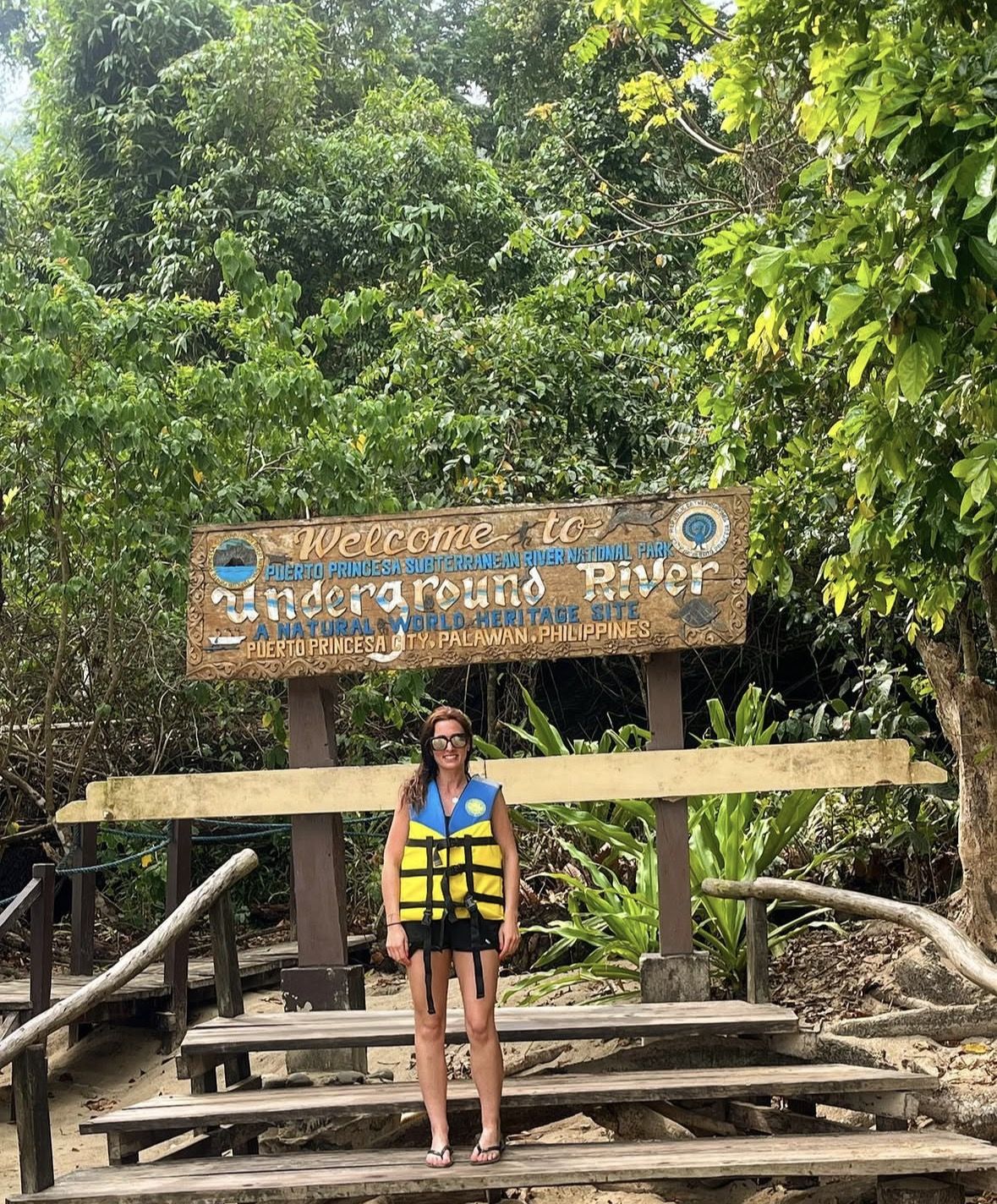
The Puerto Princesa Subterranean River National Park received its first major wave of formal attention in 1971, when it was declared a national park by the Philippine government under Proclamation No. 835. This designation acknowledged both its extraordinary natural value and the need to protect it from logging and agricultural encroachment that was rapidly transforming other parts of Palawan. Systematic scientific surveys conducted through the 1980s and 1990s began to reveal the true scale of the cave system, documenting chambers and passages previously unknown even to local communities. Researchers from the Philippines and abroad catalogued the extraordinary biodiversity of the park, building the scientific case for international recognition.
In 1999, UNESCO inscribed the Puerto Princesa Subterranean River National Park on the World Heritage List, citing its outstanding universal value as a prime example of a karst landscape and one of the world's finest island biogeographic areas. The inscription brought global attention and a significant increase in visitor numbers, prompting the city government of Puerto Princesa, under the long tenure of Mayor Edward Hagedorn, to implement some of the Philippines' most progressive environmental governance policies. Strict visitor quotas, mandatory guides, and a permit system were introduced to ensure that tourism growth did not come at the expense of the ecosystem that made the site remarkable in the first place.
The defining moment in the site's rise to global fame came on November 11, 2011, when the Puerto Princesa Underground River was officially declared one of the New Seven Wonders of Nature, a global poll organized by the New7Wonders Foundation that attracted hundreds of millions of votes worldwide. The Philippines celebrated the announcement with enormous national pride, and the recognition transformed Palawan into one of Southeast Asia's premier travel destinations almost overnight. International arrivals to Puerto Princesa surged dramatically in the years following, prompting significant investment in airport infrastructure, hospitality, and ancillary tourism services across the province while simultaneously intensifying pressure on park managers to maintain ecological standards.
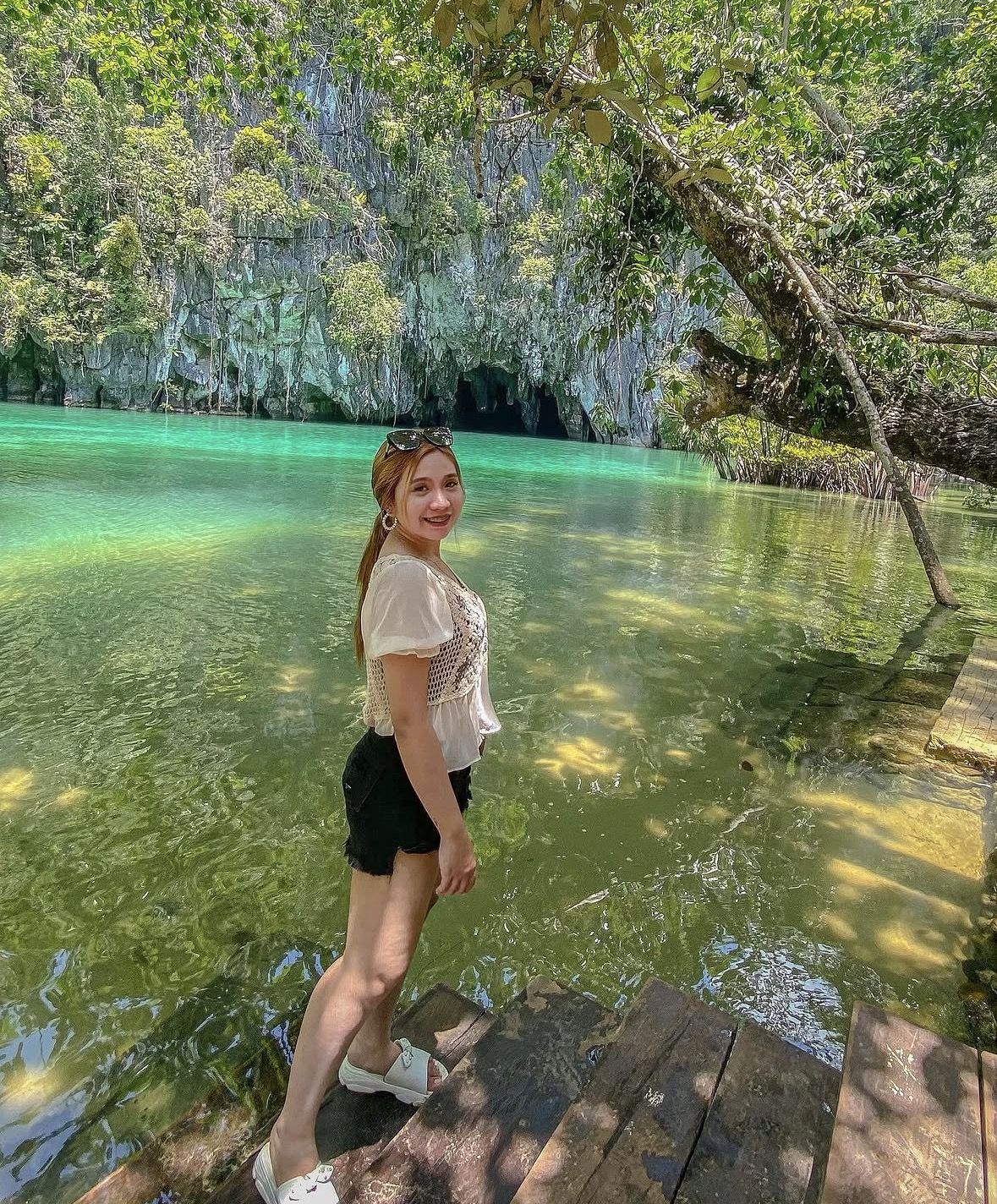
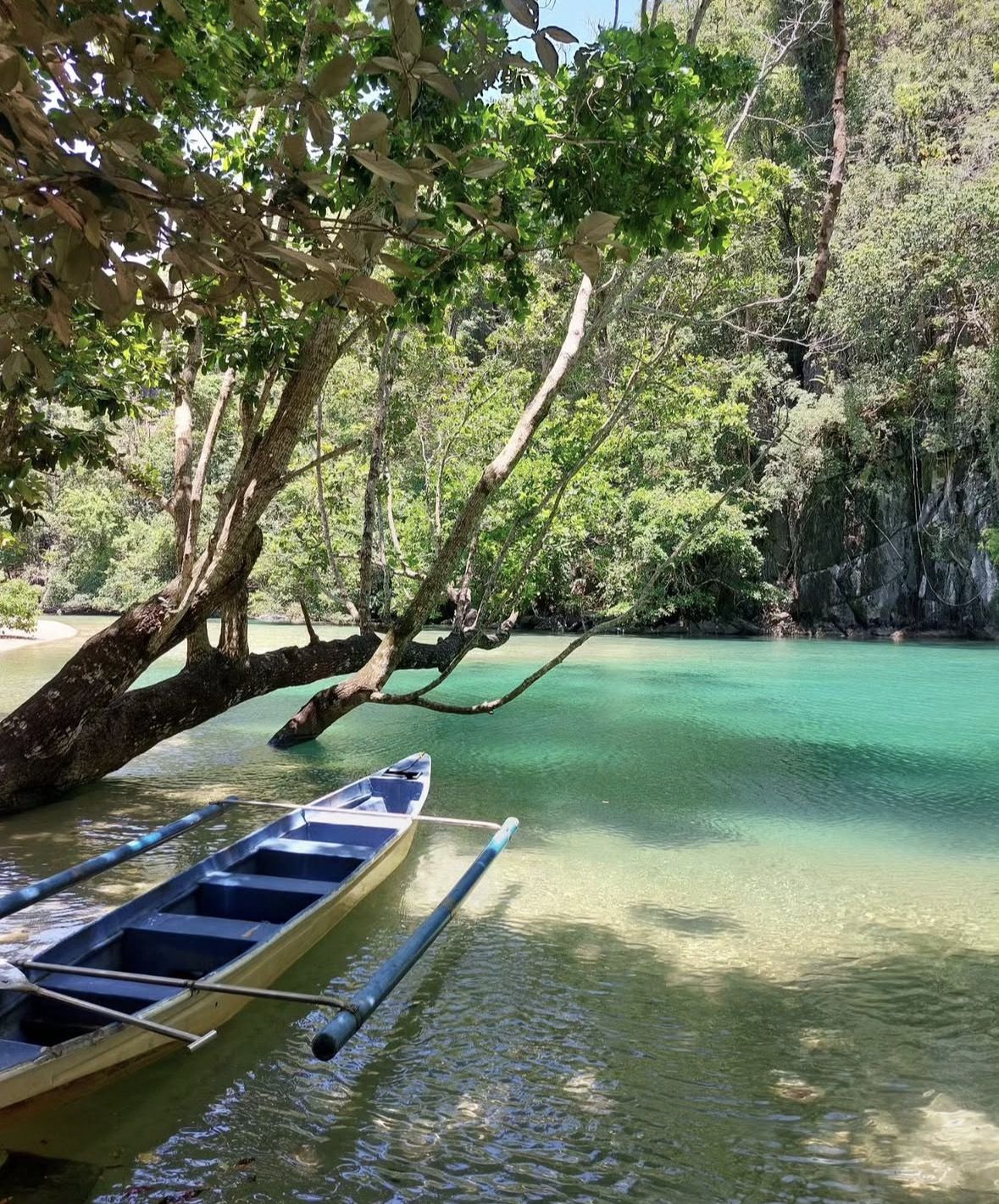
Today, visitors arriving at the underground river experience a carefully managed journey that balances awe-inspiring access with rigorous conservation. After obtaining permits — essential, as daily visitor numbers are capped — travellers board a bangka boat from Sabang Beach and paddle into the cave's dramatic coastal mouth. Trained guides narrate the geological formations as electric-powered lights illuminate chambers with evocative names like the Italian's Chamber, the Karst Hall, and the Crystal Chamber. The 4.3-kilometre boat tour penetrates well into the cave system, passing curtain stalactites, massive flowstone formations, and the occasional flash of bat wings overhead, offering an experience that feels genuinely otherworldly.
Beyond the river itself, the broader Saint Paul Mountain Range ecosystem rewards visitors who take time to explore its forest trails, mangrove walkways, and pristine beaches. Conservation programmes continue to evolve, with ongoing research into deeper cave passages beyond the standard tourist route revealing new chambers and formations that scientists are still mapping today. The underground river is not merely a destination — it is a reminder of geological time, indigenous wisdom, and the profound rewards of protecting natural places before they are lost. Whether you come for adventure, photography, or simple wonder, the Puerto Princesa Underground River promises an encounter with the Earth's deep history that will stay with you long after you resurface into the Palawan sunlight.
Ready to Experience It Yourself?
Permits for the underground river are strictly limited and sell out weeks in advance, especially during the peak season between November and May. Booking through a trusted tour operator ensures your permit, transport, and guide are all secured so you can focus entirely on the experience. Don't let this once-in-a-lifetime wonder slip through your fingers — reserve your spot now and start planning your Palawan adventure.
Book Your Tour Now